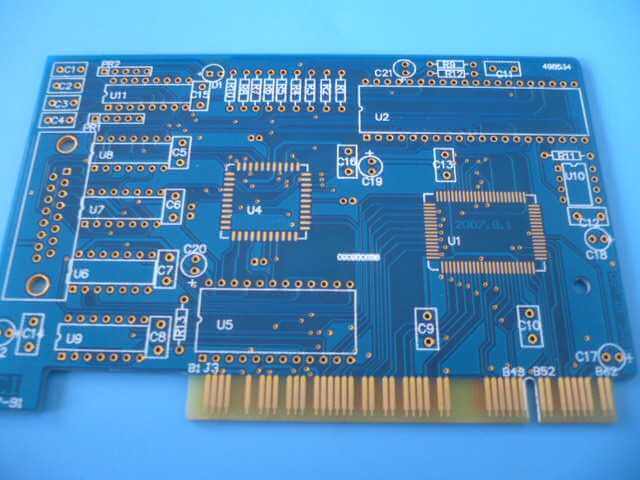







Flame retardant copper clad phenolic paper laminate. IPC4101 detailed specification number 02; TgN/A.
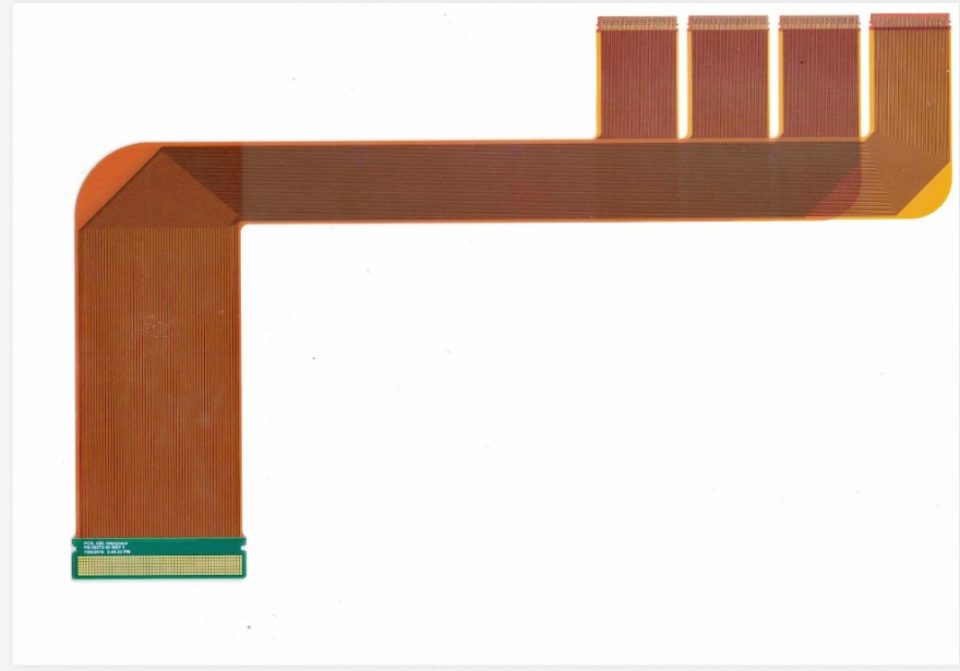
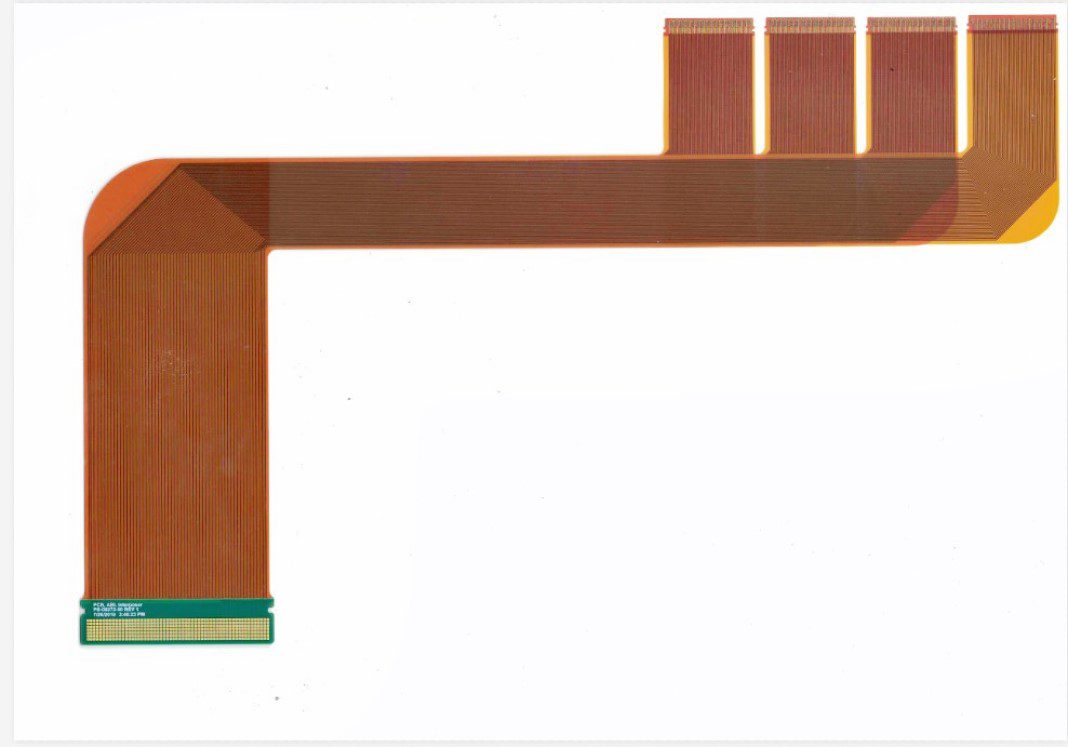
Flexible PCB Classification
There are adhesive flexible PCB and non-adhesive PCB. The price of the non-adhesive flexible PCB is much higher than that of the adhesive flexible PCB. But the flexibility, the bonding force of the copper foil and the substrate, and the flatness of the pad of non-adhesive flexible PCB is better than the adhesive flexible PCB. Therefore, it is generally only used in the occasions with high requirements, such as COF (CHIPONFLEX, bare chip mounted on flexible board, which requires high flatness of the pad) and so on. Due to its high price, most of the flexible PCB used in the market are still adhesive flexible boards. Since the flexible board is mainly used in occasions that need to be bent, if the design or process is unreasonable, defects such as micro-cracks and open welding are likely to occur.