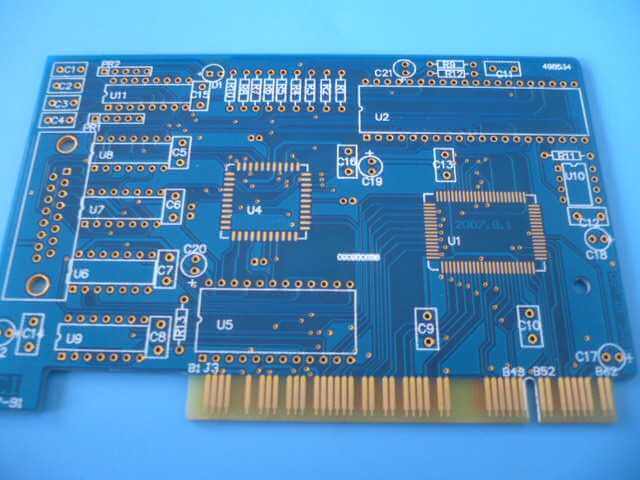
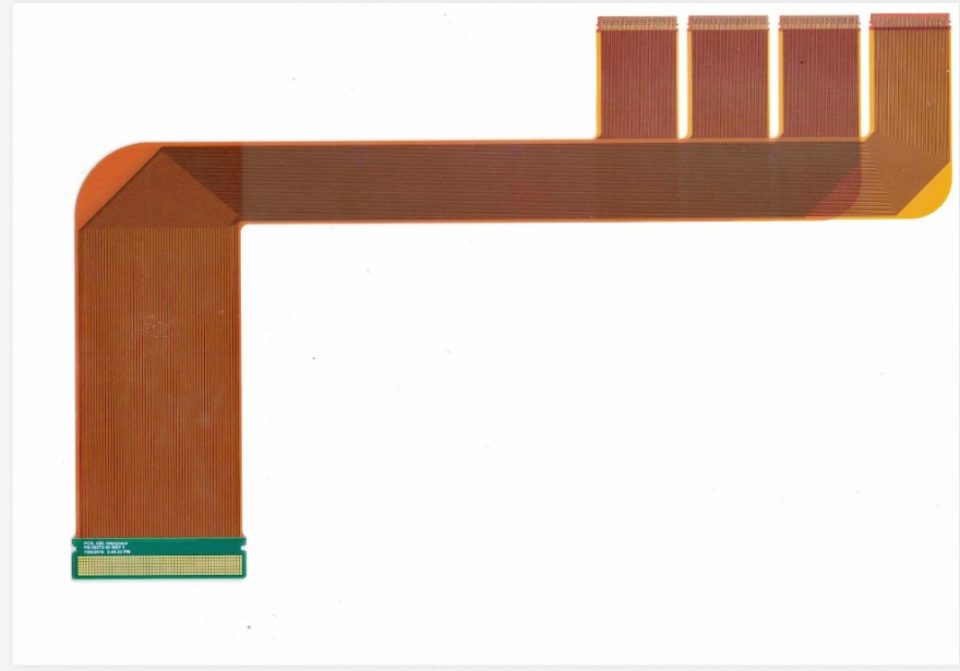
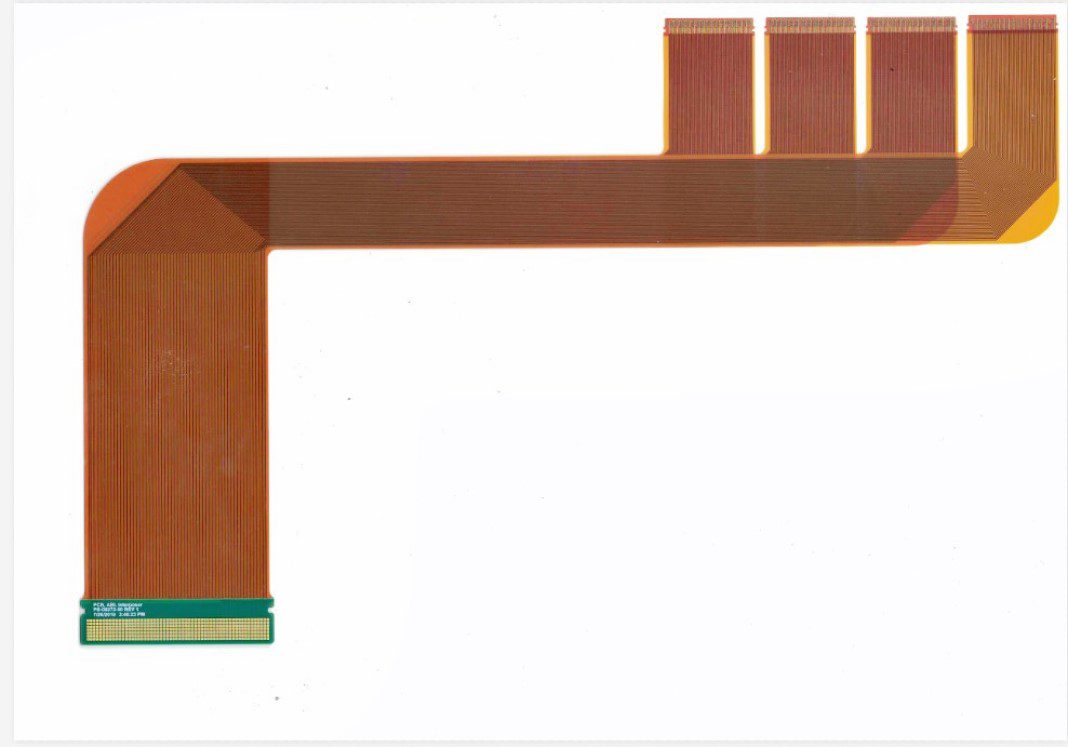







Flexible PCB can solve the minimization of design/package problems in electronic products. The following are the unique advantages in these aspects:
1) Use a flexible printed circuit or hard-soft circuit to replace the multilayer rigid board and connector.
2) Instead rigid board/ribbon cable equipment.
3) Use solid or patterned protective layer to control electromagnetic interference.
4) Use a complete ground layer to control impedance.
5) Provide electrical connections through air gaps for wiring areas that are too narrow.
6) For circuits that use conductive rubber key holders, the conductive body is exposed.
7) Incorporate heater, temperature sensor or wire antenna coil into flexible printed circuit.
8) Use flexible printed circuits as jumpers between rigid boards.
9) Specify pressure-sensitive conductive adhesive to bond the circuit to the chassis or fence.
Based on all above advantages, flexible printed circuits have been applied in some vital fields, such as military and aviation fields, medical fields, and commercial applications.