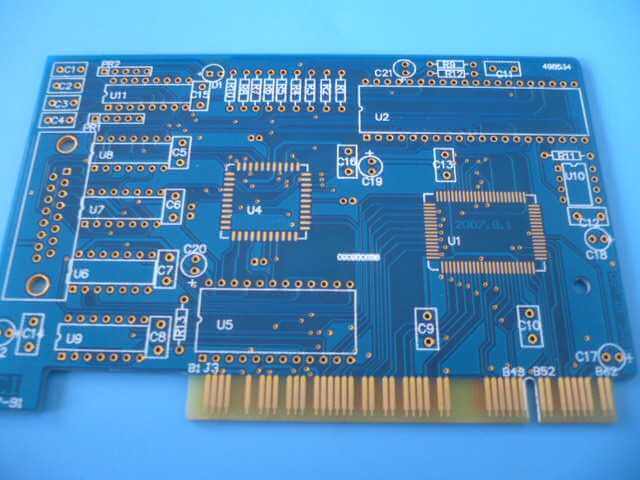
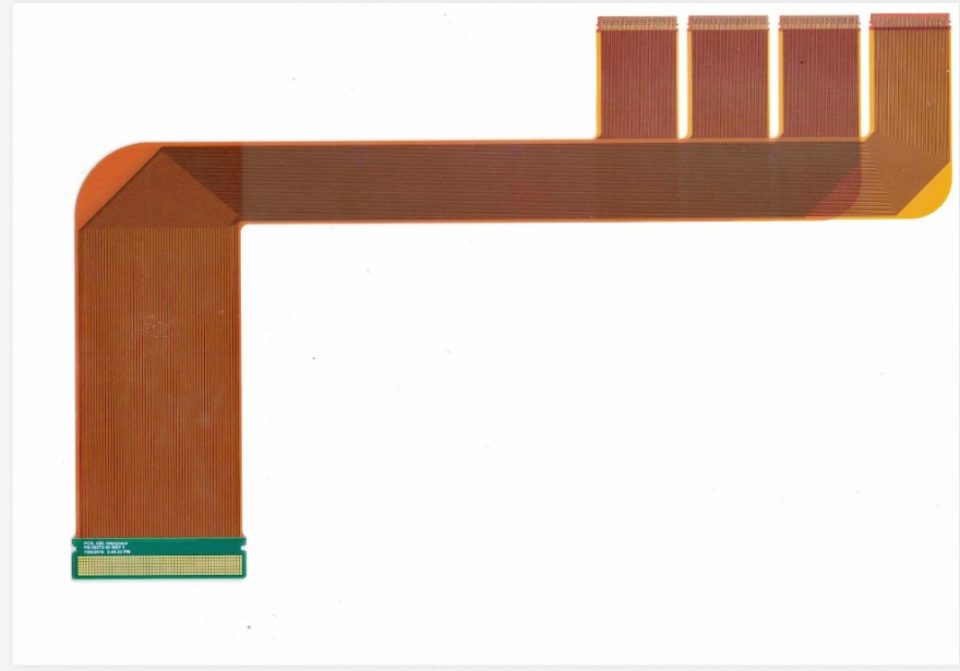
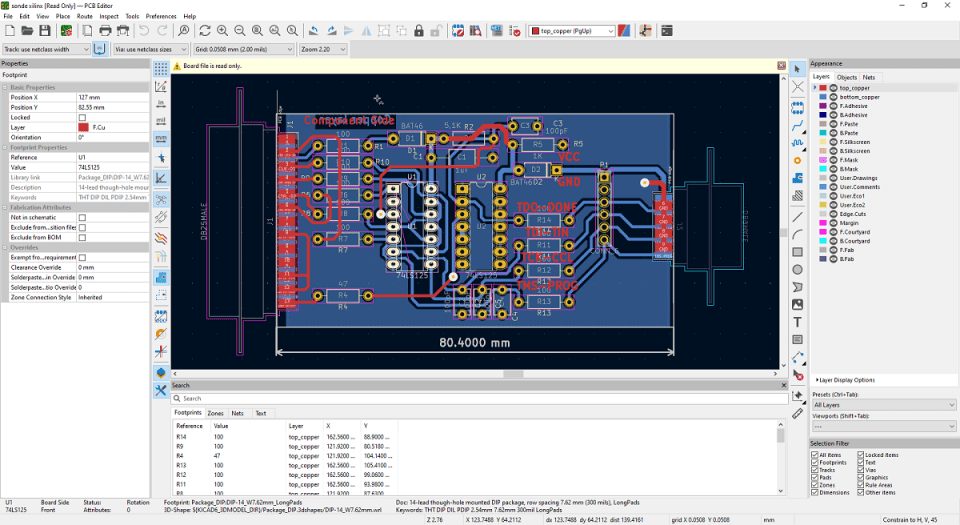
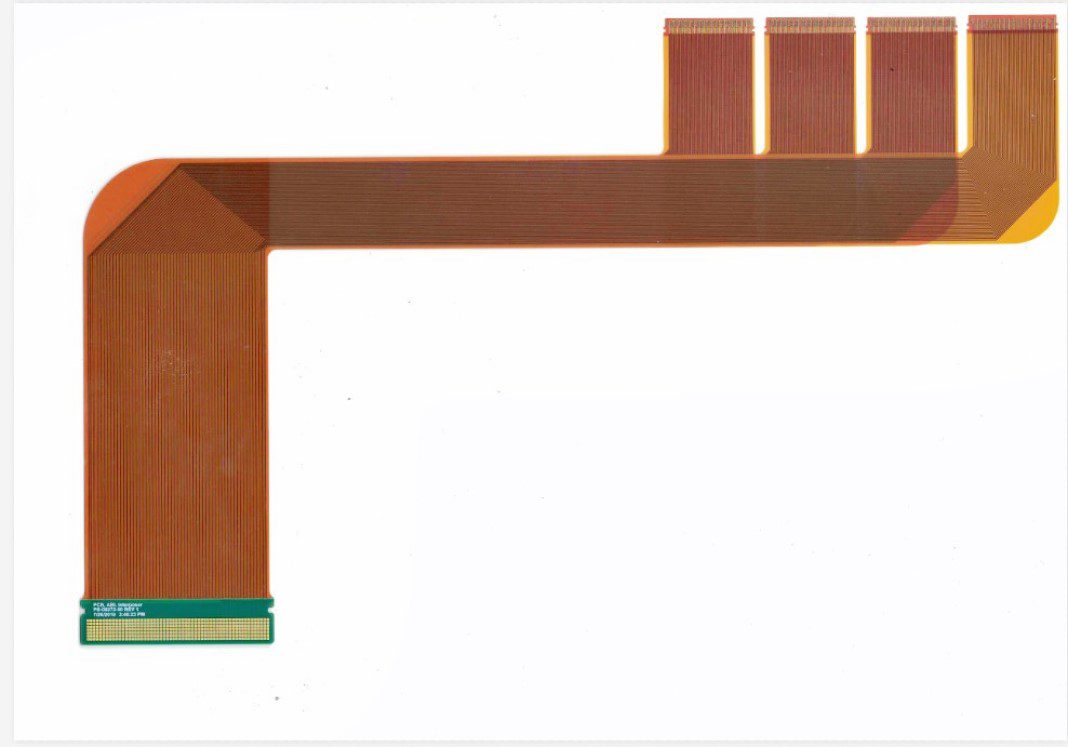
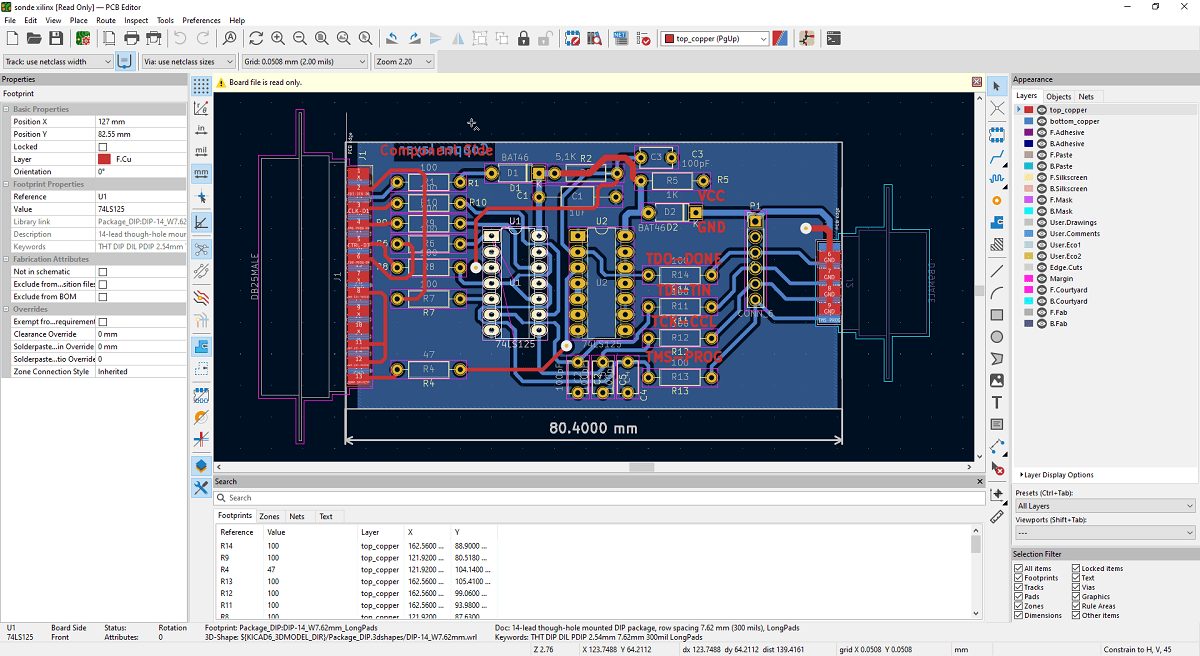







Regardless of its internal quality, we can see the differences through the surface of the PCB multi-sided board. These differences are critical to the durability and functionality of the PCB during its entire life. The following are the important high-reliability multi-sided boards Important features:
Advantages: Enhanced reliability, including improved z-axis expansion resistance. But there are also certain risks. In actual use, in the case of blowing or degassing, electrical connectivity during assembly (inner layer separation, hole wall cracking) or the possibility of failure under load conditions. IPC Class2 (standard for most factories) requires less than 20% copper plating on PCB multilayers.
Advantages: Perfect circuit to ensure reliability and safety, no maintenance, no risk. Disadvantages: If the maintenance is improper, the PCB multilayer board is open. Even if it is properly fixed, there may be a risk of malfunction under load conditions (vibration, etc.), which may cause malfunctions in actual use.
Advantages: Improving the cleanliness of the PCB multilayer board can improve reliability. Risk: Residues on the wiring board, the accumulation of solder will risk the solder mask, ion residues will cause the risk of corrosion and contamination of the soldering surface, which may lead to reliability problems (poor solder joints/electrical failure) and ultimately increase the probability of actual failure.
Advantages: Soldering, reliability and the risk of moisture intrusion. The unfinished risk is that the surface treatment of the old PCB multilayer board may cause metallographic changes, and moisture intrusion may cause problems in the assembly process. Problems and/or practical use of delamination, separation of inner wall and wall (open circuit), etc.
Whether in the manufacturing assembly process or in actual use, PCB multilayer boards must have reliable performance, which is very important.